Your Cat Isn't Just Being Gross: They're Sniffing the Neighborhood Business Cards
Researchers discovered 13 unique fatty acids in cat urine that act like long-lasting chemical identity cards, explaining why cats spend so much time analyzing scent spots.
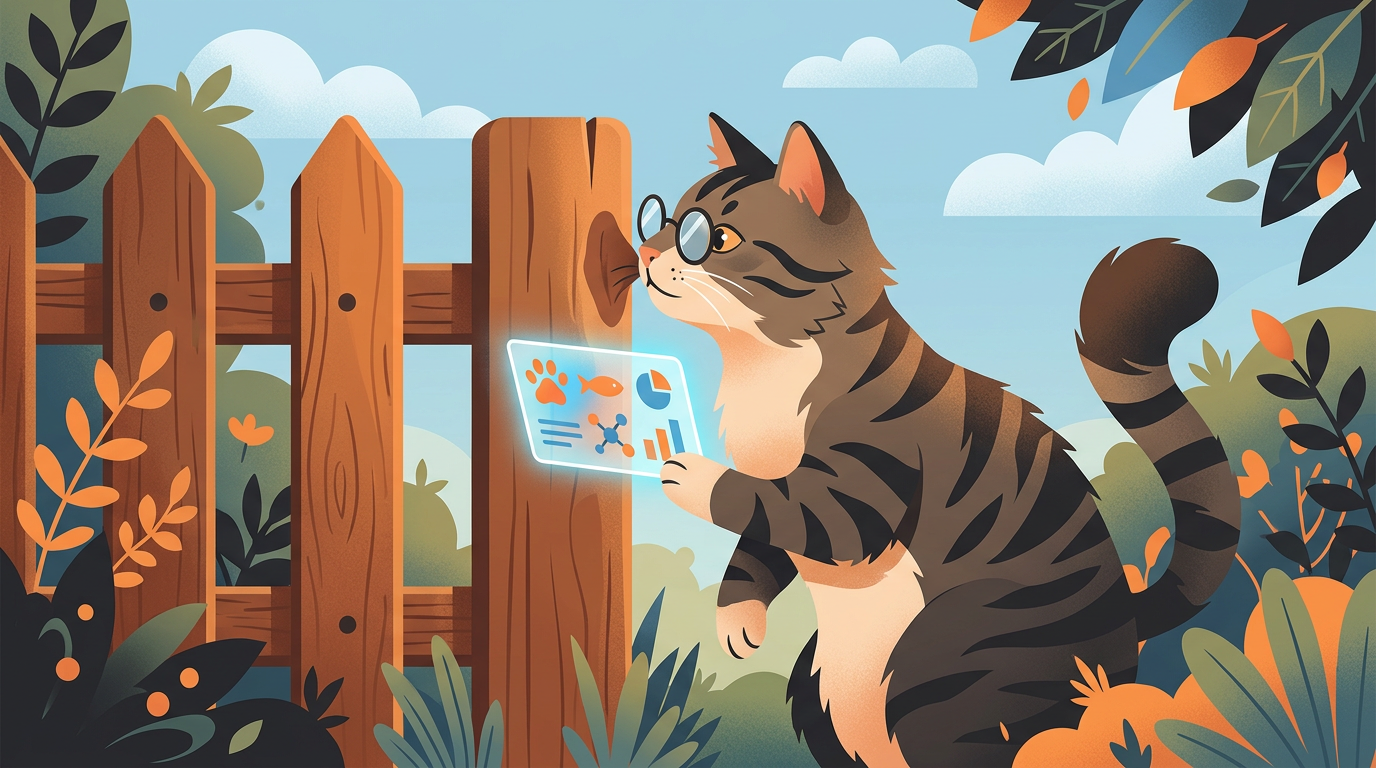
If you’ve ever watched your cat pause mid-stroll, press their nose against a random corner, and freeze with their mouth hanging slightly open like a bewildered statue, you are not alone. It looks ridiculous. It looks like your pet just lost connection to the server.
But as it turns out, your cat isn't having a technical glitch—they are actively downloading the neighborhood gossip.
An international research team led by Professor Masao Miyazaki, featuring scientists from Japan, Germany, and Spain, recently uncovered something astonishing about feline urine. Tucked inside those unwanted bathroom spots is a highly sophisticated, long-lasting chemical identity card made of 13 very specific branched-chain fatty acids.
Prior to this discovery, these 13 specific fatty acids had never been documented in mammalian excretions anywhere. They combine to form a signature scent unique to each individual cat. It’s essentially a feline business card, complete with identity and lineage, stamped in invisible chemical ink.
## The Secret Life of a Neighborhood Bush
What makes this chemical profile so impressive is its staying power and precision. The researchers discovered that while genetically related cats share similar fatty acid profiles—think of it like a family resemblance in scent—individual cats can still easily tell each other apart.
Even cooler? This chemical ID card doesn't fade overnight. Cats are able to recognize specific urine scent profiles even after a gap of several months. So when your cat smells a post where a local stray hung out months ago, they aren’t just smelling "cat." They’re thinking, "Ah yes, Barnaby. He was here back in autumn, and he's still hanging around this block."
## The Infamous "Gasping Statue" Face
You’ve probably seen the physical evidence of this chemical reading process in action. It’s called the flehmen response: a cat sniffs a spot, curls back their lip, and leaves their mouth open for a few seconds to process scent through an internal organ on the roof of their mouth.
The research team found that cats pull this dramatic face much more frequently when sniffing urine from an unfamiliar cat compared to their own or a familiar buddy’s scent. When presented with the same scent repeatedly, a cat’s sniffing time quickly drops—they’ve already read that email, thanks. But the moment a new urine profile is introduced, their curiosity instantly spikes, and the open-mouthed investigative face returns.
## The Otterly Interesting Part
It turns out cats have built a surprisingly complex, passive communication network right under our noses. While humans rely on group chats and awkward eye contact at the grocery store, felines have spent centuries running a quiet, offline community board. They leave micro-updates on fence posts, check in on old acquaintances, and track newcomer movements without ever having to sit down for a face-to-face meeting. Honestly? As introverts, we kind of respect the efficiency.
So the next time your cat freezes mid-walk to stare into the abyss with their mouth slightly agape, don’t disturb them. They’re just catching up on local news and reading the neighborhood registry.
Keep exploring
- Why Older Generations Text Like Ominous Villains (And Blame 10-Cent Texting)
- Small Bike, Big Energy: The 1973 Solo World Tour That Made History
- Why One Man Spent 29 Years Rolling a 12-Foot Ball of Twine (And Why You Should Visit)
- Take an Otter quiz
Otterly agree? Tell us why.
Join the conversation
Kind, funny and useful takes only — that's the otter way.
Loading comments…