How a Group of Teen Girls Saved a Sacred River (and Its Salamanders)
When tourists started moving rocks in a local river, a group of Cherokee youth aged 10 to 17 decided to take action. Eighteen months later, they made history.
Imagine floating down a sparkling mountain river on a sunny afternoon, kicked back on a brightly colored inner tube. You see a few loose rocks blocking your path, so you casually kick them aside to clear a smooth channel. Harmless, right?
Well, to a creature called the eastern hellbender—a giant, wrinkled, delightfully strange aquatic salamander—you just renovated their house with a wrecking ball. And to a group of local Cherokee girls, you just ignited an unstoppable movement that would change environmental law forever.
Meet the NAIWA Daughters, the youth division of the North American Indian Women's Association. Ranging in age from 10 to 17, these young women turned a simple observation about river tubers into the first all-female-led Rights of Nature campaign in the United States.
From Salamander Protection to River Personhood
When the girls first noticed tourists shifting river stones, their initial mission was straightforward: protect the salamanders. The eastern hellbender relies on those heavy, flat rocks for shelter and nesting. Move the rocks, and the habitat vanishes.
However, when they shared their campaign plans with tribal elders, the wisdom of the community nudged them toward a much larger vision. The elders suggested that protecting one species was great, but why stop there? Why not protect the entire living ecosystem that sustains them?
That advice expanded their goal to the whole Longperson water system, a sacred river network stretching roughly 790 miles from its headwaters in the Great Smoky Mountains all the way down to the Gulf of Mexico.
18 Months of Grassroots Grit
Passing groundbreaking legislation isn't as simple as posting a quick complaint online. For 18 months, the NAIWA Daughters rolled up their sleeves and put in the work.
They organized community dinners, crafted detailed member surveys, and sat down for one-on-one meetings with tribal leaders. They explained why giving legal standing to a river wasn't just a symbolic gesture—it was a vital step in honoring their cultural heritage and protecting natural resources for generations to come.
There were no corporate lobbyists or high-powered public relations firms involved—just dedicated young people armed with facts, passion, and genuine care for their homeland.
A Historic Moment in Clay Pots
On January 8, 2026, all that hard work paid off. The Tribal Council of the Eastern Band of Cherokee Indians gathered to vote on the historic resolution.
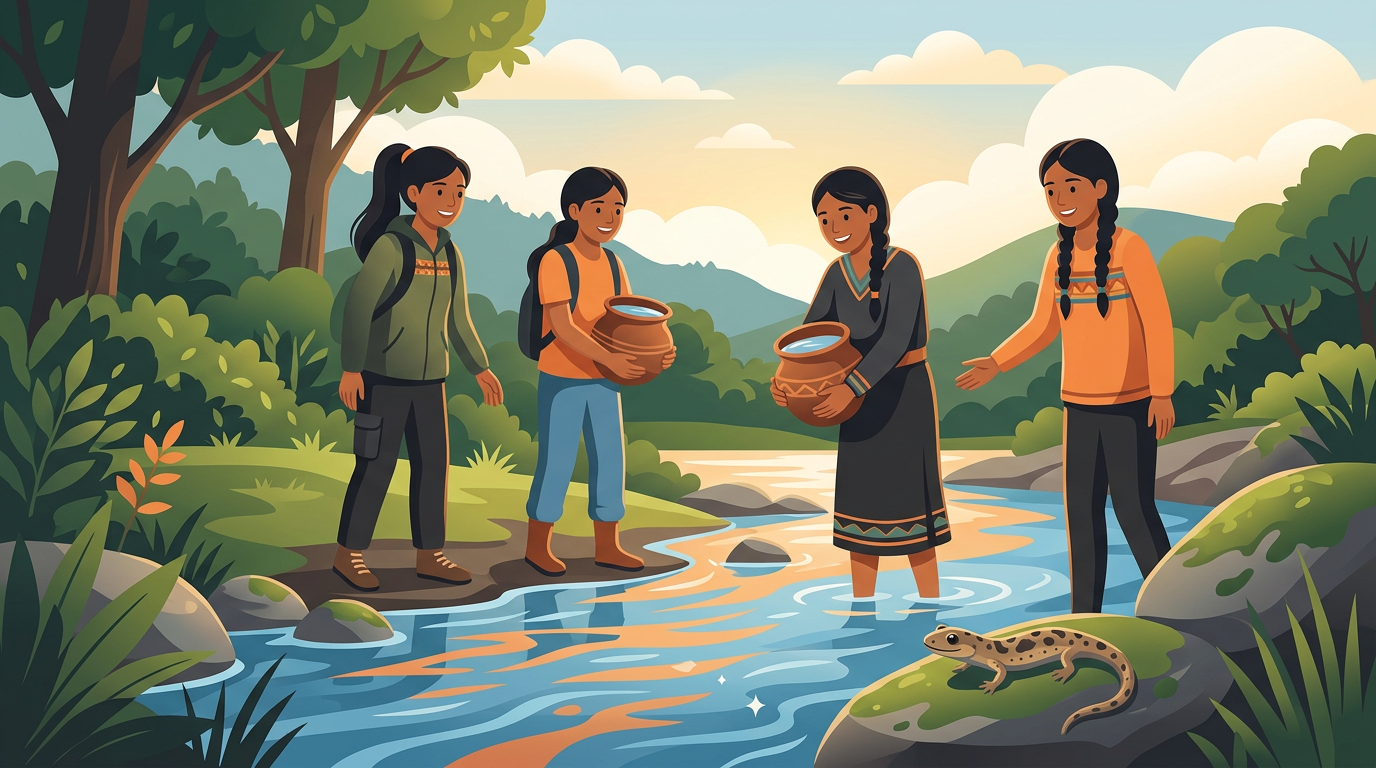
The NAIWA Daughters made sure the river itself had a physical presence in the chamber. They brought pure headwater from the river into the council room inside two hand-crafted clay pots, placing the water nearby while the council deliberated.
When the final votes were tallied, the resolution passed unanimously. Longperson was officially granted legal rights, making this only the second Rights-of-Nature initiative in the U.S. created by Indigenous youth, and the very first led entirely by young women. After the vote, the girls carried the clay pots back outside and gently returned the water to the Oconaluftee River.
The Otterly Interesting Part
When a river gains legal rights, it means the ecosystem itself can be legally protected in court if someone tries to pollute or destroy it. It shifts the law from treating nature as property to recognizing it as a living entity with a right to exist and naturally regenerate.
And the NAIWA Daughters aren't resting on their laurels. Their next big mission? Advocating for the removal of the decommissioned Ela Dam to open up historical migration paths for the sicklefin redhorse fish.
So the next time anyone tells you teenagers can't change the world, remind them of what happens when a group of Cherokee girls decides to stand up for a salamander.
Keep exploring
- Long Before PSL Season, 1800s Home Cooks Were Stuffing Pumpkins With Sausage
- Why Your Next Blurry Quesadilla Video Might Save a 22-Year-Old Local Spot
- A Kansas Prison Just Wiped Out Over $4,000 of a Local School District’s Lunch Debt
- Take an Otter quiz
Have something to add?
Join the conversation
Kind, funny and useful takes only — that's the otter way.
Loading comments…