From Literal Burnt Bread to Clinking Glasses: The Weird History of the Toast
Next time you raise a glass at a dinner party, thank the sixteenth-century drinkers who were just trying to make terrible wine drinkable.
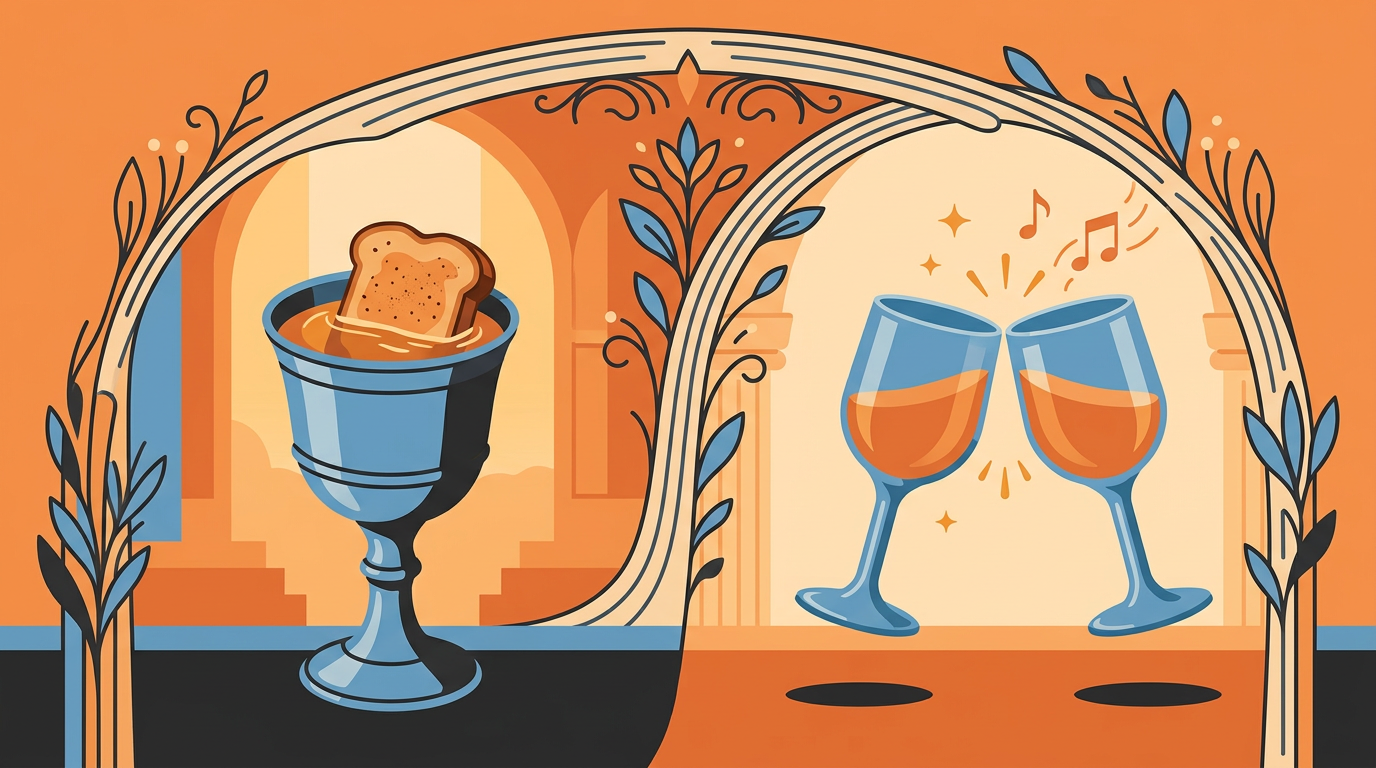
Picture this: You are at a lovely dinner party. Someone clinks a fork against their glass, everybody smiles, raises their drinks, and yells, "To friendship!" Or "To the happy couple!" Or simply, "Cheers!"
It feels like one of our most wholesome, effortless social rituals. But if you step back and think about it for two seconds, it is fundamentally strange. Why are we calling a heartfelt verbal tribute by the exact same name as a piece of charred sourdough? And why are we slamming our glassware together before taking a sip?
As it turns out, modern dinner party etiquette is secretly built on centuries of people trying very, very hard to make terrible historical alcohol taste bearable.
The Original "Toast" Was Actual Burnt Bread
Long before we had temperature-controlled wine cellars and fancy oak barrels, keeping wine fresh was a total gamble. More often than not, medieval and Renaissance wine was harsh, intensely acidic, and tasted dangerously close to salad dressing.
By the sixteenth century, drinkers came up with a practical kitchen hack: they started dropping literal pieces of warm, burnt bread—often coated in spices like nutmeg or cinnamon—right into their wine jugs. The charcoal on the burnt toast helped absorb the excess acidity and cloudiness, while the spices masked the unpleasant rot. It was the original filtration system, minus the high-tech filter.
Eventually, people started calling the person being honored during a drink the "toast" of the evening—because, like the spiced bread in the bowl, their lovely presence made an otherwise rough situation vastly more enjoyable. Over time, the bread faded out of the cup, but the name stuck around forever.
Drinking to Good Health (and Gods)
The habit of wishing people well while drinking goes back even further. Ancient Greeks and Romans were constantly raising cups to honor their friends, host, and gods during lavish feasts. To drink with someone was to signal solidarity, shared warmth, and good fortune.
However, you might have heard a popular story online that clinking glasses started in the Middle Ages so people could splash wine into each other’s cups to prove nobody was trying to poison anyone. As cinematic as that sounds, historians haven't found evidence for it. Nor were ancient revelers trying to scare away evil spirits with the metallic chime of their cups.
The truth is much sweeter. A popular theory suggests that clinking glasses was simply a way to involve all five senses in the experience. Drinking already engaged taste, smell, touch, and sight. Adding a delightful chime allowed hearing to join the party, making the toast a complete sensory celebration.
The Otterly Interesting Part
Isn't it fascinating how language preserves our oldest, weirdest survival hacks? We no longer need to float breakfast foods in our Pinot Noir to get through a weekend dinner, yet every time we celebrate an anniversary or a job promotion, we are paying homage to a 500-year-old culinary rescue mission.
Raise Your Glass
So the next time you hear that pleasant clink across a dining table, take a moment to appreciate how far we have come. We have traded murky, vinegar-adjacent beverages and soggy spiced crumbs for delicious drinks and good company.
What is your favorite quirky tradition that makes absolutely no sense until you dig into history?
Keep exploring
- How Soft Lullabies Became the Ultimate Crowd Control for Three-Ton Elephants
- Trees Have Hidden "Muscles"—and Better Posture Than Any of Us
- Meet the 'Sea Muppets': Nature’s Cutest Case of Copy-Paste Evolution
- Take an Otter quiz
What's your take?
Join the conversation
Kind, funny and useful takes only — that's the otter way.
Loading comments…