Before 1977, Celebrations Were Awkward: The True Origin of the High-Five
How two baseball players accidentally saved humanity from a lifetime of stiff handshakes and awkward side-hugs.
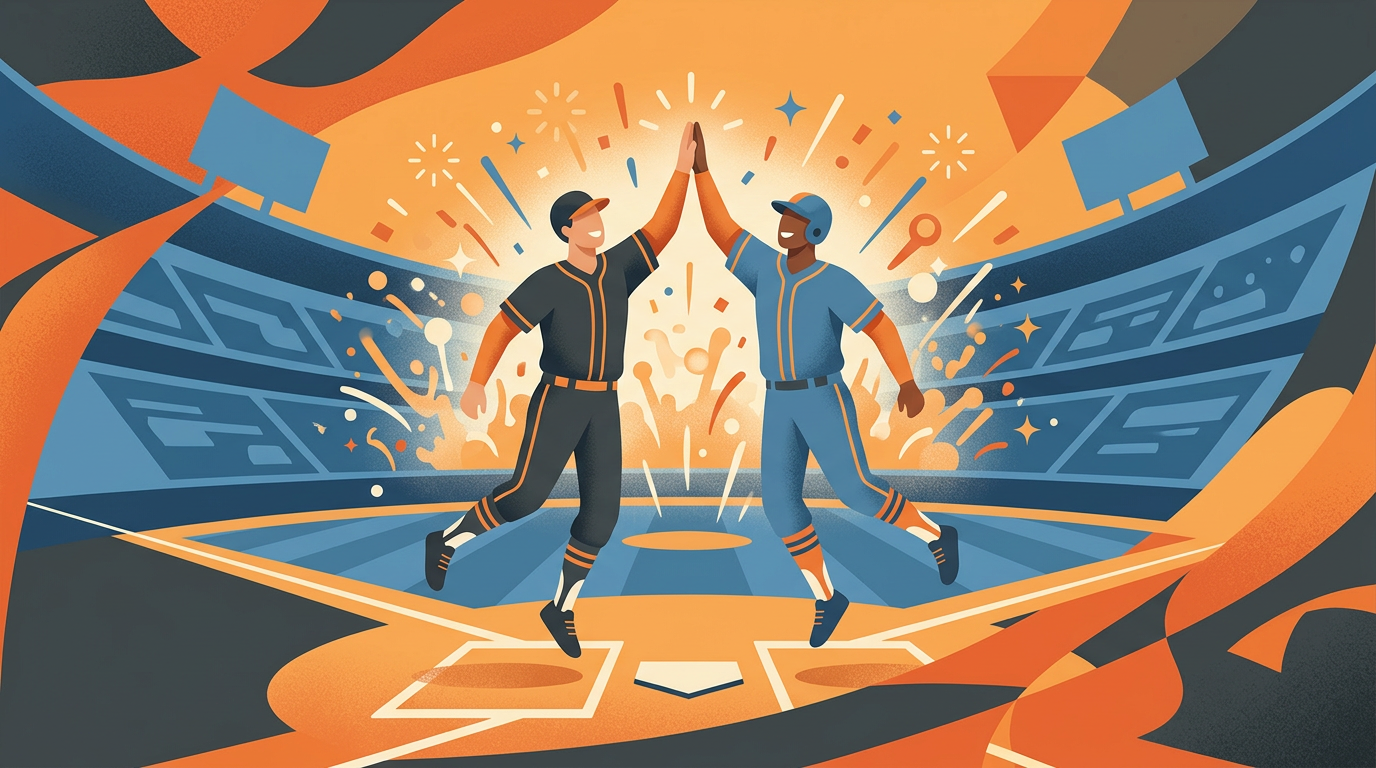
Think about the last time something genuinely amazing happened to you. Maybe you got a long-awaited promotion, found a forgotten twenty-dollar bill in your coat pocket, or successfully tossed a crumpled piece of paper directly into the recycling bin from across the room. What did you do? You probably raised your hand, locked eyes with the nearest human, and delivered a crisp, resounding high-five.
It feels as natural as breathing, but here is the wild part: before the late 1970s, almost nobody did it.
The Awkward Era Before the Slap
Ever wonder how people celebrated great news in the past? For most of human history, victory celebrations were surprisingly uncoordinated. You had formal handshakes, enthusiastic back-pats, chaotic cheering, and those terrible side-hugs that leave everyone involved slightly confused about their personal boundaries.
We were a species in desperate need of a simple, energetic way to say heck yeah without overcomplicating things. Enter October 2, 1977.
The Slap Heard Round the Stadium
It was the final game of the regular season for the Los Angeles Dodgers. Player Dusty Baker had just hit his 30th home run of the year, marking a historic moment for the team. The crowd was roaring, the energy in the stadium was electric, and Baker was floating on air as he rounded third base and headed toward the dugout.
Waiting for him at home plate was his teammate, Glenn Burke. Burke was so overwhelmed with excitement that he didn't wait for Baker to reach him. Instinctively, Burke thrust his arm straight up into the air, palm open, reaching high above his head.
Baker, not entirely sure what else to do with a hand hovering in mid-air, reached up and slapped it.
It wasn't choreographed. It wasn't practiced in training camp. It was just raw, unscripted joy taking physical form. And just like that, the high-five was born.
From the Dugout to the World
The gesture was so instant and contagious that it didn't stay on the baseball diamond for long. Burke and Baker kept doing it, their teammates picked it up, and within months, high-fives were spreading through basketball courts, school playgrounds, and living rooms across the globe.
Later, after Burke moved to San Francisco, he brought the gesture with him to the Castro district. There, the high-five took on an even deeper meaning, becoming a vibrant symbol of identity, community pride, and connection. Raising a hand high wasn't just about sports anymore; it was about standing tall and recognizing your fellow humans with joy.
The Otterly Interesting Part
Why did this specific move conquer the planet while other trend-driven greetings vanished? Because the high-five is the ultimate equalizer. You don't need a shared language, identical cultural backgrounds, or secret handshakes to execute a great high-five. It is an open-palmed broadcast that says: "I see you, you see me, and right now, things are awesome."
In fact, the gesture became so beloved that in 2002, a group of university students created National High Five Day, using the infectious energy of a simple palm-slap to bring people together and raise money for charitable causes.
Keep Your Hands Up
So the next time you land a perfect, thunderous high-five with a friend, give a quick mental nod to Glenn Burke and Dusty Baker. They didn't just win a baseball game back in 1977—they handed humanity a brilliant bit of everyday magic that keeps us connected, one high palm at a time.
Keep exploring
- You Cannot Hide From a Four-Ton Best Friend, but This Caretaker Still Tried
- He Lost His Sight in a Car Accident. Then a Lab Named Keanu Eyebrow-Wiggled Into His Life.
- Grandma Left Behind 6,000 Unlabeled Paintings. Her Grandson Is Finding Every Single Spot.
- Take an Otter quiz
Otterly agree? Tell us why.
Join the conversation
Kind, funny and useful takes only — that's the otter way.
Loading comments…