Why Getting Tricked by a Dumb Riddle Feels So Unreasonably Good
Ever wonder why getting fooled by a silly brainteaser ends with a laugh instead of a tantrum? Blame your brain’s favourite chemical reward.
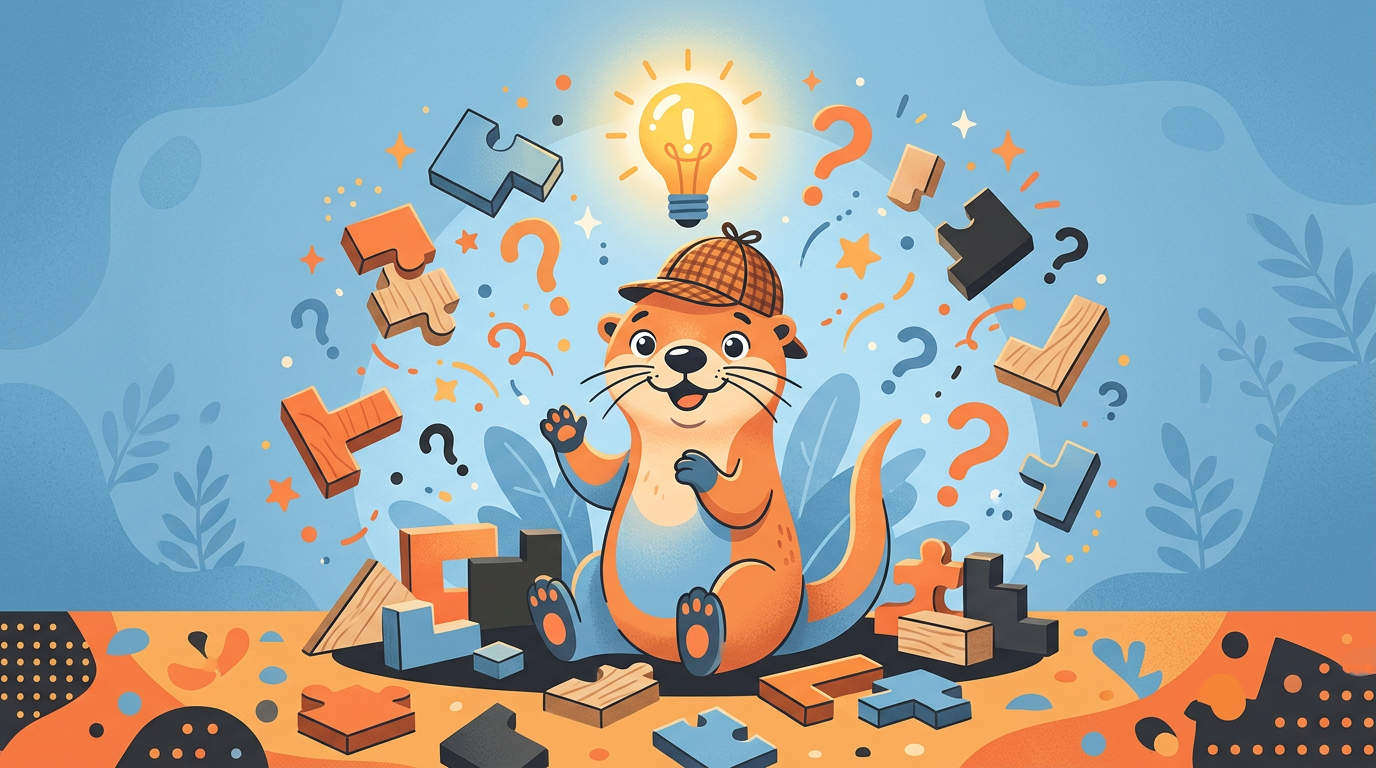
Have you ever walked straight into a ridiculous verbal trap? Someone asks you a simple question, you blurt out the most obvious answer with absolute confidence, and a split second later you realize you've been completely played.
Instead of getting angry, though, you usually end up snickering. You might slap your forehead, but you're smiling. As it turns out, there is a fascinating neurological reason why our brains actually enjoy the sneaky thrill of getting duped by a good brainteaser.
The Classic Mailbox Trap
To see this magic in action, consider a classic mystery puzzle. Imagine a detective questioning a suspect about a crime committed on Independence Day. The suspect smugly claims he couldn't have done it because he was standing on his front porch all morning chatting with his mail carrier while receiving the daily post.
Case closed, right? Not quite. The detective instantly knows the suspect is lying because standard postal delivery service in the United States doesn't run on the 4th of July.
It’s a simple trick, but the moment you realize why the alibi fails, something magical happens in your head. You bounce from mild confusion to total clarity in a microsecond.
The Science of the "Aha!" Moment
Neuroscientists actually have a formal name for that sudden shift when a confusing puzzle suddenly clicks into place: an insight moment, also known as the eureka effect.
Legend has it that the ancient Greek mathematician Archimedes, who lived roughly between 287 and 212 BCE, famously leapt out of his bathtub shouting "Eureka!" when he figured out how to measure volume. While you probably won't run down the street naked after solving a riddle, your brain experiences a miniature version of that exact same epiphany.
When you fall for a trick question, your brain initially takes an intellectual shortcut—it grabs the easiest, most logical pattern available. But when the trap closes, your neural network quickly reroutes itself to process the twist. The moment your brain unlocks the real answer, its reward system delivers a quick, satisfying burst of dopamine.
That chemical splash is nature’s way of high-fiving you for solving a problem. Getting tricked feels good because your brain loves the secret prize waiting at the end of the trap.
The Otterly Interesting Part
Here is the really fun part: your brain isn't actually being lazy when it falls for a trick. It's being efficient! We rely on mental shortcuts every day just to navigate the world without overthinking every single step. Riddles simply poke fun at those shortcuts. In a way, getting fooled is just proof that your brain's fast-thinking machinery is doing its day job.
So the next time a sneaky question trips you up, don't feel bad. Enjoy the natural chemical reward, appreciate your brain's fast-moving wiring, and pass the trick along to the next unsuspecting friend!
Keep exploring
- Spirit GPS: How Marigolds Became the Golden Standard of Día de los Muertos
- How to Run a Town with Zero Political Drama (Step 1: Be the Only Citizen)
- 6 Slang Terms from Jane Austen’s England That Aged Shockingly Well
- Take an Otter quiz
Have something to add?
Join the conversation
Kind, funny and useful takes only — that's the otter way.
Loading comments…