
Spirit GPS: How Marigolds Became the Golden Standard of Día de los Muertos
Before you swap out fresh marigolds for cheap plastic ones, remember: your great-grandmother's ghost relies on that golden scent to find her favorite tamales.
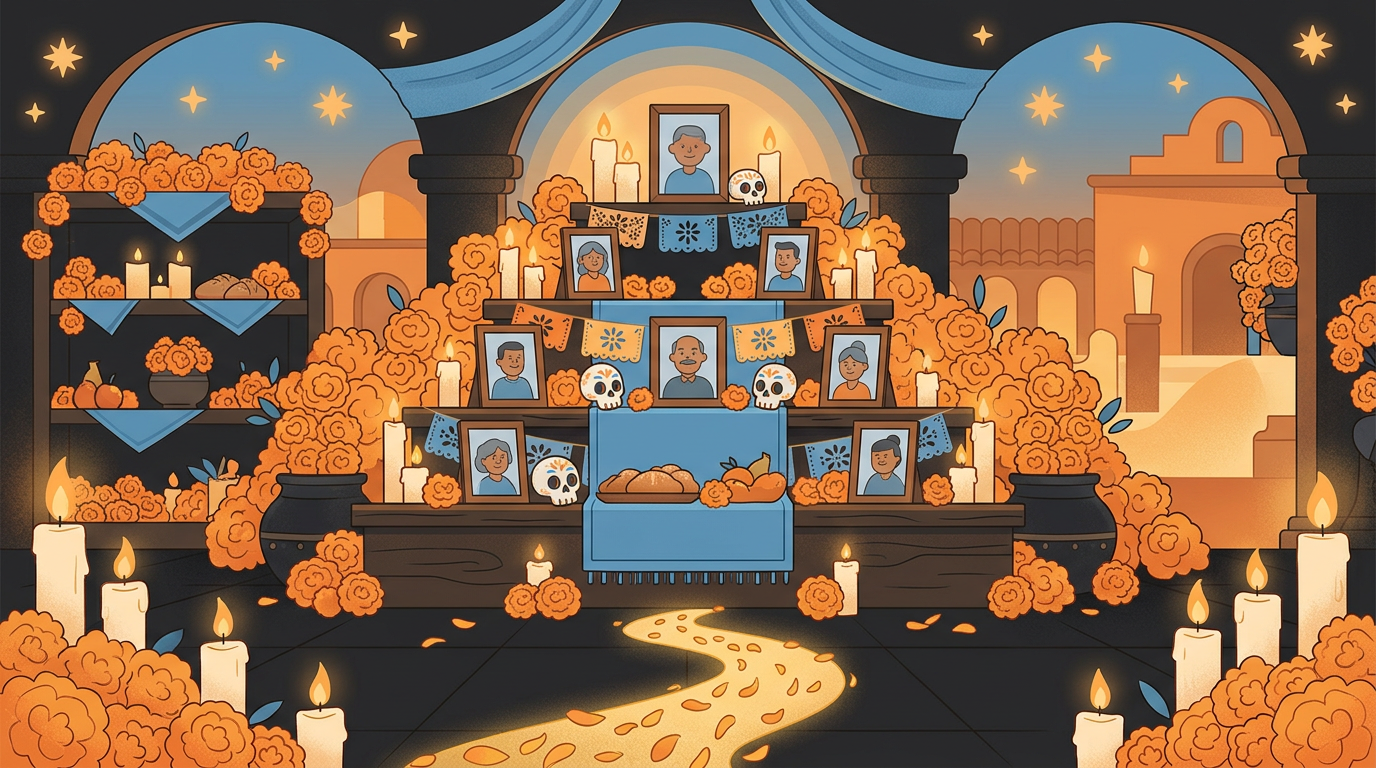
Imagine waking up once a year from your cozy post-mortal nap, ready to visit your living family for Día de los Muertos between October 31st and November 2nd. You’re expecting the ultimate home-cooked reunion: warm pan de muerto, spicy mole, and the rich, musk-and-honey aroma of fresh marigolds pointing you straight to your altar.
Then you arrive, only to find your well-meaning great-nephew bought unscented polyester marigolds from a dollar store clearance bin. Talk about a dead end.
All jokes aside, the bright orange marigold—known traditionally as cempasúchil—isn't just a cheerful autumn decoration. It is the glowing, aromatic soul of Día de los Muertos. But how did this humble flower get the job of guiding generations of ancestors back home?
A Flower with Twenty Petals (and Deep Roots)
Long before Spanish conquistadors set foot in the Americas, the Aztecs were decorating graves and honoring the dead with these brilliant yellow and orange blossoms. In Nahuatl, the native Aztec language, the plant is called cempasúchil, which translates to "flower of twenty petals."
Back then, long before November festivities existed, Indigenous communities dedicated summer months like July and August to Mictēcacihuātl, the skeleton-faced lady of the underworld who kept watch over the bones of the deceased. When Catholic missionaries arrived and tried to suppress Indigenous veneration of death deities, local populations did something brilliant: they adapted.
Instead of abandoning their ancient traditions, they blended their rituals with Catholic All Saints' Day and All Souls' Day. The dates shifted to late autumn, but the core heart of the celebration—and its signature golden flower—remained untouched.
Scent, Sight, and Spirit Navigation
In traditional folklore, marigolds are considered the ultimate navigational tool for visiting souls. According to belief, the flower's fiery orange petals mimic the warmth of the sun, while its distinct, earthy aroma cuts through the ethereal mist, helping returning spirits find their way back to family altars.
Families often scatter paths of vibrant marigold petals leading from front doors straight to the ofrenda. It’s essentially a golden carpet rolled out for loved ones. Today, making marigold garlands—whether out of fresh blooms at boutique community workshops like Luna and Luz in Albuquerque or at kitchen tables around the world—remains one of the most cherished ways to prepare for the holiday.
The Otterly Interesting Part
Here is something wild: the marigolds blooming in your local garden center right now likely trace their lineage directly back to Central America. When European explorers saw these dazzling Aztec flowers, they took seeds back across the ocean. The plant was cultivated, rebranded, and eventually spread across the globe. So every time you see a marigold brightening up a suburban porch, you’re looking at an ancient sacred Aztec flower living its best jet-setting life!
Keep the Golden Runway Glowing
Día de los Muertos is ultimately a celebration of memory, joy, and unbroken connection across generations. Whether you’re honoring long-lost relatives or simply admiring the breathtaking artistry of the holiday, the marigold stands as a vibrant reminder that love outlasts time itself.
Just do your returning ancestors a favor: if you’re laying out a trail of flowers this year, make sure they get a good whiff of the real deal!
Keep exploring
- How to Run a Town with Zero Political Drama (Step 1: Be the Only Citizen)
- 6 Slang Terms from Jane Austen’s England That Aged Shockingly Well
- The Asteroid Didn't Just Kill the Dinosaurs—It Upgraded the Ants
- Take an Otter quiz
Have something to add?
Join the conversation
Kind, funny and useful takes only — that's the otter way.
Loading comments…